The Coleman Institute for Addiction Medicine Blog
11
Sep 26
September 11, 2026
All About Cychlorphine – Risks, Overdose & Withdrawal
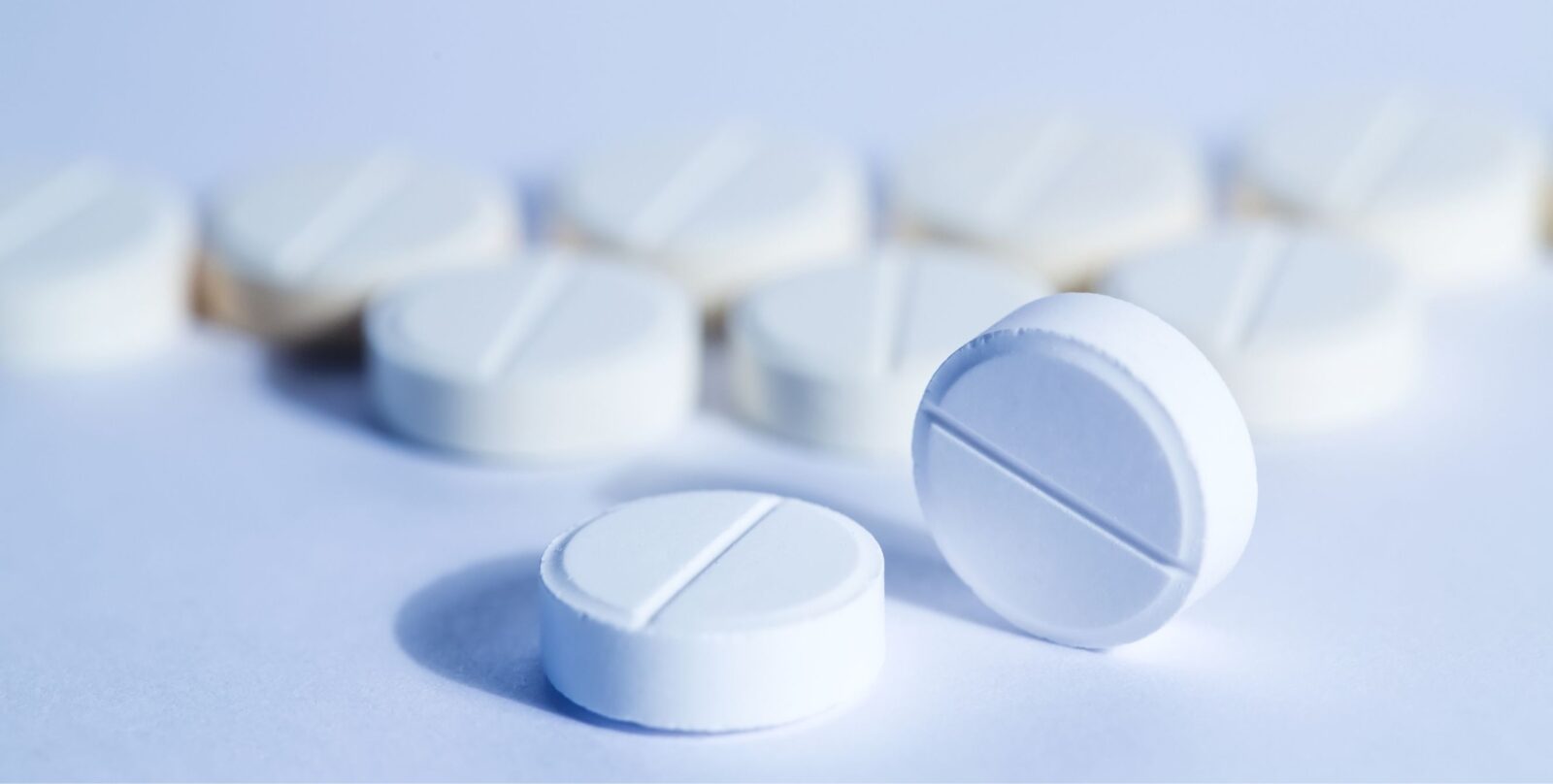
One of the newest drugs raising concern among toxicologists, public health officials, and law enforcement is cychlorphine. This highly potent synthetic opioid has increasingly been linked to counterfeit pills and overdose deaths.
Also known as N-propionitrile chlorphine, cychlorphine belongs to a group of synthetic opioids sometimes called orphines. Although research on the drug is still so limited, available evidence suggests that cychlorphine can cause severe opioid effects, including but not limited to dangerous respiratory depression and overdose.
Concern surrounding the drug has grown incredibly quickly. As of early 2026, federal data associated cychlorphine with at least 55 deaths in the United States and documented the substance in 225 law-enforcement seizures across multiple jurisdictions.
On August 27, 2026, the Drug Enforcement Administration (DEA) temporarily placed cychlorphine and several related synthetic opioids into Schedule I of the Controlled Substances Act.
What Is Cychlorphine?
Cychlorphine is a novel synthetic opioid that acts as an agonist at the mu-opioid receptor (MOR), the same receptor system responsible for many of the effects associated with substances such as heroin, oxycodone, and other opioids.The drug is part of the piperidine benzimidazolones, or ‘orphine’ family of synthetic opioids. The Center for Forensic Science Research and Education (CFSRE) first identified N-propionitrile chlorphine in its laboratory in 2024. Since then, detections have expanded throughout the United States and even internationally.
How Strong Is Cychlorphine?
How cychlorphine's potency translates to humans is still being studied.But CFSRE suggests that cychlorphine is approximately 10 times more potent than fentanyl in certain pharmacological testing. However, human pharmacology data remains extremely limited, so potency comparisons should not be interpreted as precise dose equivalents. This uncertainty is itself dangerous.
As it’s an emerging synthetic drug, there’s little reliable information about it. But it’s vital to understand that there is no established safe illicit dose of cychlorphine.
Cychlorphine In Street Drugs
When one substance becomes controlled or more difficult to manufacture, chemically different substances may begin appearing in its place. CFSRE has identified cychlorphine as part of a broader emergence of orphine opioids following changes in the availability and regulation of other synthetic opioids.What’s especially concerning is that many people are exposed to cychlorphine without intentionally seeking it out.
Drug-checking programs have identified cychlorphine in counterfeit tablets sold as prescription medications. Toronto's Drug Checking Service, for example, found cychlorphine in counterfeit pills expected to contain Oxycodone, Percocet, and Hydromorphone.
In several samples, cychlorphine was the only drug detected instead of the medication the person believed they had obtained. Opioids, stimulants, and benzos obtained off the street are all at risk of containing cychlorphine, unfortunately.
The United Nations Office on Drugs and Crime (UNODC) has also reported cychlorphine in falsified pharmaceuticals resembling Xanax, OxyContin, Dilaudid, and other pills, as well as in samples containing fentanyl, heroin, cocaine, and medetomidine.
These things are what make counterfeit pills bought off the street so dangerous. A pill's appearance cannot reliably show what substances are actually inside it, and you can’t take a drug dealer’s word for what the pill really is.
Can Drug Tests Detect Cychlorphine?
Cychlorphine presents another problem; routine drug testing may not detect it. Standard opioid urine screens are designed to identify specific substances or metabolites and may miss newer synthetic opioids.A 2026 medical case demonstrates this challenge. A woman in her 20s experienced unresponsiveness and respiratory depression after taking what she believed was the benzodiazepine alprazolam. Her initial opioid and fentanyl urine screens were all negative. But more advanced toxicology testing later identified cychlorphine in her blood.
UNODC has similarly warned that cychlorphine is not expected to be detected by standard drug test strips or routine opioid urine screens.
It’s important to note that a negative fentanyl test does not mean an illicit pill or powder is free from other powerful synthetic opioids.
What Are the Effects of Cychlorphine?
Because controlled human studies are limited, researchers do not yet have a full picture of cychlorphine's effects.Based on its activity at mu-opioid receptors and documented overdose cases, potential opioid effects may include:
- Sedation or drowsiness
- Euphoria
- Pain relief
- Constricted or pinpoint pupils
- Slowed breathing
- Reduced consciousness
- Confusion
- Nausea or vomiting
- Loss of consciousness
Cychlorphine Overdose
A cychlorphine overdose may look similar to an overdose involving other opioids like fentanyl or morphine.Signs of overdose may include:
- Very slow, irregular, or stopped breathing
- Inability to wake the person
- Extreme sedation or unconsciousness
- Constricted or pinpoint pupils
- Blue, gray, or pale lips or skin
- Choking, snoring, or gurgling sounds
- Limpness
- Slow heartbeat
Naloxone (Narcan) can reverse opioid-induced respiratory depression and should still be used when cychlorphine exposure is suspected. Because highly potent synthetic opioids may require additional naloxone, repeat doses may be necessary while emergency services are on the way.
The first published biologically confirmed nonfatal cychlorphine overdose involved a patient who received 6 mg of intranasal naloxone before arriving at the emergency department and demonstrated a naloxone-responsive opioid overdose syndrome.
Do not assume naloxone will not work simply because the opioid involved is unfamiliar or synthetic. Narcan saves lives!
Is Cychlorphine Addictive?
Although there is not yet substantial human research specifically examining long-term, or even short-term, cychlorphine use, its strong activity at mu-opioid receptors means dependence and addiction are serious concerns.Repeated exposure to opioids can cause the brain and body to adapt to the presence of the substance. Over time, many continue to use opioids to simply avoid the horrible withdrawal symptoms.
Potential signs of opioid dependence can include:
- Cravings
- Increased tolerance
- Using more frequently
- Difficulty reducing or stopping use
- Continued use despite consequences
- Experiencing withdrawal when use decreases or stops
What Is Cychlorphine Withdrawal Like?
There is currently very little clinical research specifically describing cychlorphine withdrawal, including its exact onset, duration, and severity.Because cychlorphine activates mu-opioid receptors, withdrawal would be expected to share characteristics with withdrawal from other opioids.
Cychlorphine withdrawal symptoms could include:
- Anxiety or agitation
- Restlessness
- Sweating
- Runny nose
- Watery eyes
- Yawning
- Muscle and joint aches
- Abdominal cramping
- Nausea or vomiting
- Diarrhea
- Insomnia
- Increased heart rate
- Elevated blood pressure
- Strong cravings
With all of that said, predicting withdrawal is substantially more difficult than with most other substances.
Why Self-Detox From Cychlorphine Can Be Risky
Trying to manage withdrawal by yourself can create countless problems and concerns.One major concern is that a person may not actually know what they have been taking. Products containing cychlorphine have also contained fentanyl, xylazine, and other drugs. This matters because withdrawal risks vary significantly by substance, especially when there’s overlap.
Another danger occurs after detoxing yourself. Opioid tolerance can decrease quickly after stopping use. Returning to your previously tolerated amount can then result in overdose. At The Coleman Institute, we commonly recommend Vivitrol as part of a patient’s aftercare plan for relapse prevention.
With an opioid as potent and unpredictable as cychlorphine, a comprehensive medical evaluation can help determine the best next step.
Is Cychlorphine Illegal?
Yes. Cychlorphine is currently a federally controlled Schedule I substance in the United States.On July 1, 2026, the DEA announced its intent to temporarily schedule cychlorphine along with SR-14968, SR-17018, and spirochlorphine. They stated that temporary scheduling was necessary to address an imminent hazard to public safety.
The temporary scheduling order became effective on August 27, 2026, placing cychlorphine into Schedule I through August 27, 2028, unless the order is extended or the substance is permanently scheduled.
Getting Help For Cychlorphine Dependence
Cychlorphine is another reminder of how unpredictable today's illicit drug supply is.Someone may believe they are using one drug without knowing that a completely different substance, nonetheless a synthetic opioid, is present.
For people who have developed a Cychlorphine dependence, attempting to determine how to detox without medical guidance is very risky, and potentially deadly.
At The Coleman Institute for Addiction Medicine, our medical team evaluates each patient's substance use, medical history, withdrawal risk, and more, before determining whether outpatient detox is appropriate.
With over 25 years of experience in medical detox and a 95% completion rate, we’ve helped thousands of people reclaim their sobriety. The Coleman Institute is also abstinence-based, providing non-addictive naltrexone therapy instead of Suboxone or methadone.
Because cychlorphine is such an uncertain substance, treatment must be individualized rather than based solely on what a pill, powder, or product was believed to contain.
If you or someone you care about is struggling with addiction, contact 888-705-9615 to discuss available treatment options and determine the next step.
24
Jul 26
July 24, 2026
What Is SR-17018? Risks, Withdrawal, & Dangers Of Self-Detox
If you've been researching ways to stop using opioids, fentanyl, heroin, nitazenes, or kratom products, you've likely come across SR-17018, sometimes referred to as SR-17.
Across online forums like Reddit, SR-17018 is increasingly discussed as a possible way to manage opioid withdrawal or transition away from stronger opioids. For someone experiencing severe withdrawal symptoms, these stories can sound incredibly promising. However, there is an important distinction that often gets overlooked.
SR-17018 is not an FDA-approved medication. It is an experimental research chemical that has never completed human clinical trials. Although it has shown interesting properties in laboratory and animal studies, researchers still do not know whether it is safe or effective for treating opioid dependence in people.
If you're considering using SR-17018 to detox yourself, it's important to understand what researchers have actually discovered, what remains unknown, and why medically assisted treatment is a safer alternative.
What Is SR-17018?
SR-17018 is an experimental synthetic compound first described by researchers investigating whether a new type of opioid could provide pain relief while reducing some of the dangerous side effects associated with traditional opioids like morphine.Like oxycodone and other opioids, SR-17018 activates the mu-opioid receptor (μ-opioid receptor). This receptor plays a central role in pain relief, euphoria, physical dependence, tolerance, and withdrawal.
Early animal studies generated excitement because SR-17018 appeared to produce potent pain relief while potentially reducing some of the dangerous side effects associated with traditional opioids like morphine. Researchers hoped compounds like SR-17018 might eventually lead to safer opioid medications.
Over the following several years, however, additional research showed that the science was more complicated than originally believed. Scientists continue to debate exactly how SR-17018 works at the opioid receptor, and many questions remain unanswered because research has largely been limited to laboratory and animal studies.
SR-17018 has never been approved for medical use in humans.
Why Are People Using SR-17018?
Although SR-17018 began as a laboratory research compound, it has increasingly appeared online and in stores such as smoke shops.People report purchasing SR-17018 in an attempt to stop using opioid-based and opioid-like substances. Especially now with restrictions tightening around semi-synthetic and synthetic forms of kratom.
For most individuals, the appeal isn't getting high. It's avoiding withdrawal.
People struggling with opioid dependence are often desperate to find relief after multiple unsuccessful attempts to quit. When they encounter stories describing an experimental compound that supposedly makes withdrawal easier, it's understandable why they become interested.
Personal success stories you read online are not the same as scientific evidence.
At this time, there are no completed human clinical trials demonstrating that SR-17018 is a safe or effective treatment for opioid withdrawal or opioid use disorder (OUD).
How Is SR-17018 Sold?
Unlike prescription medications dispensed by licensed pharmacies, SR-17018 is typically purchased through online vendors or smoke shops.Depending on the supplier, it may be sold as powder, pressed tablets, or capsules.
Nearly every vendor prominently displays warnings such as ‘For Research Purposes Only’ and ‘Not For Human Consumption’.
These statements reflect the fact that SR-17018 has never been approved as a medication and has not undergone the extensive testing required before drugs are prescribed to patients.
Despite these warnings, many online discussions make it clear that consumers are purchasing SR-17018 specifically to ingest it while attempting to manage opioid withdrawal. Furthermore, vendors are even marketing it in a way that’s appealing for human use, despite their warnings.
Unlike FDA-approved medications, products sold through these vendors are not manufactured under the same pharmaceutical standards. Depending on the source, consumers may have no way to verify product purity, batch consistency, accurate dosing, or the presence of contaminants.
What Has Research Actually Found?
One reason SR-17018 has attracted so much attention is that early laboratory research on mice produced encouraging results. In these animal studies, researchers found that SR-17018 produced pain relief and, in some experimental settings, appeared to produce less tolerance than morphine. Additional research also suggested it could suppress withdrawal behaviors in morphine-dependent mice under carefully controlled laboratory conditions.These findings were scientifically significant because they suggested researchers might eventually be able to develop opioid medications with improved safety profiles.
However, it's equally important to understand what those studies didn't show. The experiments were conducted in laboratory animals, not people attempting to detox themselves at home.
Researchers have also discovered that repeated administration of SR-17018 itself can produce physical dependence and withdrawal in animal models, demonstrating that the compound is not free from dependence liability.
While these findings justify continued scientific investigation, they do not establish SR-17018 as a proven treatment for opioid withdrawal in humans.
Why Self-Detoxing With SR-17018 Can Be Dangerous
Most people searching for SR-17018 aren't looking for another substance to become dependent on. They're looking for a way out of the cycle of addiction.Unfortunately, attempting to detox yourself with an experimental research chemical introduces a new set of risks.
You're Still Activating Opioid Receptors
Although SR-17018 differs from traditional opioids in several ways, it still activates the same receptor system responsible for opioid dependence.Reducing withdrawal symptoms isn't necessarily the same thing as eliminating physical dependence.
Without proper medical supervision and guidance, you may just be replacing one opioid-like dependence with another.
You're Becoming Your Own Doctor
When people self-detox with SR-17018, they're often forced to make complicated medical decisions on their own.They must determine:
- Which vendor to trust
- Whether to buy powder or tablets
- How much to take
- How frequently to dose
- When to taper
- How to respond if withdrawal worsens
- When emergency medical care is necessary
Reddit Isn't Your Treatment Team
Online communities can be valuable places to hear about other people's experiences.Many people posting about SR-17018 genuinely want to help others, but personal experiences cannot replace individualized medical advice from a licensed professional.
The random person recommending a treatment plan or dosing schedule online doesn't know your:
- Opioid tolerance
- Medical history
- Current medications
- Overall health
- Risk of complications
Reading about other people's experiences may be helpful, but no Reddit thread can replace a comprehensive evaluation by a qualified healthcare professional.
There Are Still Too Many Unknowns
Researchers still don't know enough or at all about:- Safe dosing in humans
- Long-term health effects
- Drug interactions
- Optimal taper schedules
- Addiction potential
- What’s in these products being sold
A Safer Alternative to SR-17018
If you're researching SR-17018 because you're desperate to reclaim sobriety, you're not alone. Many people considering SR-17018 aren't searching for another way to get high; they're searching for hope.At The Coleman Institute, we've helped patients safely detox from prescription opioids, fentanyl, heroin, methadone, Suboxone, nitazenes, kratom, 7-hydroxymitragynine, MGM-15, MGM-16, mitragynine pseudoindoxyl, and other substances for decades.
Instead of relying on an experimental research chemical, our accelerated outpatient opioid detox program provides physician-supervised care designed to make withdrawal as safe and comfortable as possible.
Treatment is personalized based on your medical history, current substance use, and overall health. Throughout the detox process, patients receive medical monitoring and prescription comfort medications to help manage common withdrawal symptoms such as nausea, anxiety, insomnia, muscle aches, elevated heart rate, and other physical symptoms.
Following detox, many patients use naltrexone therapy, including monthly Vivitrol injections, when medically appropriate. Unlike Suboxone and methadone, naltrexone is not addictive and can help reduce cravings alongside relapse prevention. We pride ourselves on using an abstinence-based approach.
Rather than relying on internet advice or experimenting with an unapproved research chemical, patients receive evidence-based care from experienced medical professionals.
Reach out today for a confidential consultation with a compassionate recovery expert. We’re here to help you achieve lasting sobriety!
Frequently Asked Questions
Is SR-17018 the same as SR-17?
Yes. SR-17 is simply a shortened name commonly used online for SR-17018.Is SR-17018 FDA approved?
No. The U.S. Food and Drug Administration has never approved SR-17018 for any medical use.Can SR-17018 cause dependence?
Animal studies suggest repeated use can produce physical dependence and withdrawal. However, its addiction potential in humans remains unknown because there have been no completed human clinical trials.Should I use SR-17018 to detox myself?
If you're considering SR-17018 because you're trying to stop using opioids, it's best to speak with a qualified healthcare professional. Although online anecdotes may sound encouraging, there is currently no established clinical evidence demonstrating that SR-17018 is a safe or effective medication for opioid detoxification in humans.
17
Jul 26
July 17, 2026
Is Akuamma An Alternative To Kratom?
As federal and state regulations surrounding kratom, 7-hydroxymitragynine, MGM-15, and mitragynine pseudoindoxyl continue to evolve, many people are searching for alternatives that provide similar effects. Online discussions within the kratom community increasingly mention akuamma (Picralima nitida) as a potential kratom alternative or 7-OH replacement, leading many people to wonder whether or not to start taking it.
Unlike kratom, akuamma does not contain mitragynine or 7-hydroxymitragynine (7-OH). However, it does contain naturally occurring alkaloids that interact with opioid receptors. While akuamma appears to be less potent than traditional kratom and significantly weaker than high-potency 7-OH products, research remains limited. Before replacing one substance with another, it's important to understand how akuamma works, how it compares to kratom, and what current research shows.
What Is Akuamma?
Akuamma (Picralima nitida) is an evergreen tree native to tropical regions of West Africa. For centuries, its seeds have been used in traditional medicine to help treat pain, fever, gastrointestinal disorders, malaria, and other ailments.Today, akuamma is commonly sold as whole seeds, powders, capsules, extracts, and tinctures.
Akuamma seeds naturally contain several indole alkaloids, including akuammine, pseudo-akuammigine, akuammicine, akuammidine, and picraline.
Unlike many other herbal supplements marketed for pain relief, akuamma's compounds are pharmacologically active. Laboratory studies have shown that several akuamma alkaloids interact with the mu-opioid receptor (μOR), the same receptor involved in the effects of opioids (i.e., morphine, heroin, fentanyl) and kratom alkaloids.
Although their opioid activity appears significantly weaker than that of kratom products or traditional opioids, this receptor activity helps explain why akuamma is increasingly discussed as a possible alternative to kratom.
Why Are People Looking For A Kratom Replacement?
Interest in kratom alternatives and 7-OH replacements has grown significantly in recent years as the popularity of kratom products has increased alongside evolving state and federal regulations.As a result, many people are searching for:
- Kratom Replacement
- 7-OH Alternative
- Alternative to MGM-15
The Journal of Psychoactive Drugs’ recent survey of akuamma users in the United States demonstrates just how closely these substances are connected. All participants who reported using akuamma had previously used kratom, and many reported trying akuamma for pain management or as an opioid substitute.
While researchers did not identify participants meeting modified DSM-5 criteria for akuamma-related substance use disorder, they emphasized that additional research is needed to better understand akuamma's safety, effectiveness, dependence potential, and long-term health effects.
Akuamma Versus Kratom
Although both plants contain compounds capable of interacting with opioid receptors, kratom generally produces stronger opioid-like effects because of its primary alkaloids.| Akuamma | Kratom |
| Native to West Africa | Native to Southeast Asia |
| Contains akuamma alkaloids | Contains mitragynine and 7-hydroxymitragynine |
| Weaker opioid receptor activity | Stronger opioid receptor activity |
| Limited human research | Much larger body of research |
| Often marketed as a kratom alternative or complementary to kratom | Associated with tolerance, withdrawal, and dependence |
Does Akuamma Affect Opioid Receptors?
Yes. Studies have shown that several akuamma alkaloids bind to and activate the mu-opioid receptor (μOR), although much more weakly than traditional opioids or kratom. This distinction is important.Researchers have proven that several naturally occurring akuamma compounds interact with the same receptor system responsible for many opioid effects.
But this does not mean akuamma behaves exactly like other opioids, such as prescription painkillers. However, it does explain why scientists continue studying its pharmacology and why some people view it as a possible kratom replacement.
Could Akuamma Follow The Same Path As Kratom?
One of the more interesting findings in recent research has little to do with commercially available akuamma products. Instead, it involves what scientists have been doing in the laboratory.Researchers studying akuamma's alkaloids discovered that one naturally occurring compound, pseudo-akuammigine, could be chemically modified to yield a semi-synthetic derivative, N-1-phenethyl pseudo-akuammigine (PhEtPAK).
In that same study, PhEtPAK demonstrated approximately 70-fold greater potency at activating the μ-opioid receptor than its naturally occurring parent compound, pseudoakuammigine.
PhEtPAK is not naturally found in akuamma seeds. However, these findings highlight an important lesson already seen within the kratom marketplace. Over time, manufacturers began isolating, concentrating, and chemically modifying kratom alkaloids, leading to the emergence of significantly more potent products such as 7-hydroxymitragynine (7-OH), mitragynine pseudoindoxyl, and MGM-15.
These findings demonstrate how naturally occurring plant alkaloids can serve as the foundation for more potent semi-synthetic compounds. As interest in botanical alternatives grows, this research highlights the importance of evaluating not only naturally occurring compounds but also the ways they may be modified in the future.
Is Akuamma Addictive?
At this time, researchers do not have enough human data to confidently determine akuamma's potential for dependence or addiction.Because akuamma appears to produce weaker opioid receptor activity than kratom, one would assume its dependence potential may also be lower. But keep in mind, there is currently insufficient human research to determine how likely akuamma is to cause dependence with repeated or long-term use.
In a web-based U.S. survey on akuamma users, researchers did not identify any participants meeting modified DSM-5 criteria for akuamma-related substance use disorder. However, the study included a relatively small number of users, and the authors emphasized that additional research is needed to evaluate akuamma's safety, potential for misuse, and long-term health effects. Because akuamma contains alkaloids that interact with opioid receptors, important questions remain regarding its long-term risks, particularly as more people begin searching for alternatives to kratom and 7-OH.
Is Replacing Kratom With Akuamma A Good Idea?
Although akuamma appears to be less potent than both traditional kratom and higher-potency products, there is currently no clinical evidence demonstrating that it is a safe or effective treatment for kratom dependence or withdrawal.Replacing one opioid-active herb with another may not address the underlying dependence. Instead, it may prolong substance use while introducing additional uncertainties regarding product quality, dosing, and long-term safety.
If your goal is to stop using kratom, MGM-15, pseudo, or 7-OH, seeking medical guidance provides a safer and more predictable path than experimenting with unproven methods.
Outpatient Detox For Kratom Dependence
At The Coleman Institute for Addiction Medicine, we specialize in medical detox for traditional kratom, 7-hydroxymitragynine (7-OH), mitragynine pseudoindoxyl (Pseudo), MGM-15, and other opioid-like substances.Our outpatient kratom detox program is designed to help patients withdraw safely and more comfortably without requiring a lengthy inpatient stay or transitioning to long-term opioid replacement medications like Suboxone. Most patients complete treatment in only five days, allowing them to return to work, school, and family responsibilities as quickly as possible.
If you or someone you love has become dependent on a kratom-derived product, our experienced and compassionate medical team is here to help.
Frequently Asked Questions
What is akuamma?
Akuamma (Picralima nitida) is a tree native to West Africa whose seeds have traditionally been used for pain relief and other medicinal purposes. The seeds contain naturally occurring alkaloids with opioid receptor activity.Is akuamma a good alternative to kratom?
There is currently no evidence demonstrating that it is a safe or effective treatment for kratom dependence or withdrawal, despite many kratom users using akuamma as a replacement.Does akuamma contain kratom?
No. Akuamma does not contain any of kratom's primary alkaloids, such as mitragynine or 7-hydroxymitragynine.Does akuamma affect opioid receptors?
Yes. Studies have shown that several akuamma alkaloids interact with the mu-opioid receptor, although much more weakly than kratom's primary alkaloids.Is akuamma addictive?
There is currently insufficient human research to determine akuamma's potential for dependence. Researchers emphasize that more studies are needed.Can akuamma help with kratom withdrawal?
There is currently no clinical evidence demonstrating that it is a safe or effective treatment for kratom dependence. If you're experiencing withdrawal, seeking medical treatment is the safest and most effective option.
2
Jul 26
July 2, 2026
7-OH Ban: Is 7-Hydroxymitragynine Illegal Now?
On July 1st, 2026, the U.S. Drug Enforcement Administration (DEA) announced action to temporarily place certain 7-hydroxymitragynine (7-OH) substances and related synthetic compounds into Schedule I of the Controlled Substances Act. The announcement has left many consumers asking the same question: Is 7-OH illegal now?
No, not yet federally. While the DEA has announced its intent to temporarily place certain high-potency 7-hydroxymitragynine (7-OH) products and related synthetic compounds into Schedule I of the Controlled Substances Act, the agency has initiated the scheduling process rather than finalized it. The action targets certain enhanced 7-OH products and does not mean all kratom products are federally banned. Regardless of federal status, certain states, counties, and cities have already banned or restricted kratom, 7-OH, or related products under their own laws.
The federal action focuses on enhanced 7-OH products, including products with 7-OH above a specified threshold, as well as synthetic derivatives such as mitragynine pseudoindoxyl, MGM-15, and MGM-16. These are not the same as traditional kratom leaf products that contain only trace levels of naturally occurring 7-OH.
For people who regularly use 7-OH products, those who have developed physical dependence may experience withdrawal symptoms. Understanding what the DEA’s action means, what products are affected, and when to seek medical help is critical.
What Is 7-OH?
7-hydroxymitragynine, often called 7-OH, is an alkaloid associated with the kratom plant. In the natural kratom leaf, 7-OH occurs only in trace amounts.The products raising concern today are different. Many contain isolated, enhanced, synthesized, or highly concentrated 7-OH. These products may be sold as tablets, capsules, gummies, liquid shots, drink mixes, powders, or other concentrated extracts.
Because these products can contain much higher levels of 7-OH than traditional kratom leaf, they may produce stronger opioid-like effects and carry a greater risk of tolerance, dependence, and withdrawal.
What Did the DEA Announce?
The DEA announced two Notices of Intent related to 7-OH and kratom-derived synthetic compounds.One notice addresses the temporary placement of 7-OH above a specified threshold into Schedule I. The second notice addresses three synthetic 7-OH derivatives:
- Mitragynine pseudoindoxyl (MP)
- Dihydro-7-hydroxymitragynine (MGM-15)
- MGM-16, the 9-fluoro derivative of 7-hydroxymitragynine
Does This Mean All Kratom Will Be Banned?
No. The DEA’s action is not intended to regulate natural kratom leaf that does not contain enhanced levels of 7-OH. Traditional kratom leaf contains trace levels of naturally occurring 7-OH, but the federal action is focused on enhanced, concentrated, and synthetic 7-OH products.The DEA is targeting high-potency 7-OH products and related synthetic compounds, not every single product made from the kratom plant.
What Kratom Products Are Affected?
The DEA action targets products containing certain high-potency or synthetic kratom-related substances, including:- 7-hydroxymitragynine (7-OH) exceeding the DEA's proposed threshold of more than 0.050% by weight or more than 1 mg per product
- Mitragynine pseudoindoxyl
- MGM-15
- MGM-16
Why Did Federal Agencies Take Action?
Federal regulators are concerned because enhanced 7-OH products are significantly different from and more dangerous than the traditional kratom leaf.These products pose public health concerns because of their potency, addictive potential, and opioid-like effects. The FDA had already issued warning letters in July 2025 to companies selling illegal products containing 7-OH, including tablets, gummies, drink mixes, and liquid shots. In December 2025, the FDA, the DOJ, and the U.S. Marshals Service seized approximately $1 million worth of unlawful 7-OH dietary supplements and food products from three Missouri firms.
The DEA’s action is a response to an emerging public safety threat involving highly concentrated synthetic 7-OH products.
What This Means If You Use 7-OH
If you use traditional kratom products, this announcement may not affect you in the same way it affects someone using high-potency 7-OH tablets, shots, or synthetic derivatives.However, if you regularly use concentrated 7-OH, MGM-15, pseudoindoxyl, or similar products, this federal action could affect availability. Products will become harder to purchase, retailers may remove them, and online sellers may stop carrying them.
For people who are physically dependent, suddenly losing access can trigger withdrawal.
Common 7-OH withdrawal symptoms may include:
- Anxiety
- Restlessness
- Insomnia
- Sweating
- Nausea
- Muscle aches
- Irritability
- Cravings
- Depression or mood changes
Should You Quit 7-OH Cold Turkey?
Quitting suddenly can be extremely difficult if your body has become dependent on 7-OH or related synthetic compounds.Some people may be able to stop on their own. Others may experience significant withdrawal symptoms that make it hard to function, sleep, work, or avoid returning to use.
If you have been using 7-OH products daily or in high amounts, consider medically detoxing at The Coleman Institute to prevent relapse and reclaim your sobriety.
Treatment for 7-OH Dependence
If you’ve become dependent on 7-OH, you may assume your only options are a 30-day inpatient rehab program or long-term medication-assisted treatment. But those aren’t your only options.At The Coleman Institute for Addiction Medicine, we provide a five-day outpatient medical detox program designed to detox patients from 7-OH and other opioid-like substances without requiring an extended residential stay.
Treatment begins with a comprehensive medical screening performed by one of our medical providers. During this evaluation, we assess your medical history, current medications, substance use patterns, withdrawal risk, and any other factors that may affect your care. Based on that assessment, we develop an individualized detox plan tailored to your needs.
Our approach is also abstinence-based. Rather than replacing one opioid-like substance with another, our goal is to help patients safely stop using kratom products without starting long-term maintenance medications such as Suboxone. Instead, we use non-addictive comfort medications and evidence-based medical protocols to help manage withdrawals throughout the detox process.
If changing laws have made you reconsider your kratom or 7-OH use, or you’ve been trying to quit but haven’t been able to on your own, you don’t have to go through this alone.
Frequently Asked Questions
Is 7-OH illegal now?
Not yet federally. The DEA has announced its intent to temporarily schedule certain high-potency 7-OH products and related synthetic compounds. The proposed action applies only to specific enhanced 7-OH products and does not ban traditional kratom leaf or all kratom products. But federal law is only part of the picture. Several states, and in some cases, local jurisdictions, have enacted their own laws restricting or prohibiting kratom, 7-OH, or related compounds.Will the DEA ban apply to MGM-15?
Yes. MGM-15, also called dihydro-7-hydroxymitragynine, is one of the synthetic derivatives included in the DEA’s temporary scheduling action.Will the DEA ban apply to pseudoindoxyl?
Yes. Mitragynine pseudoindoxyl, also called MP, is specifically included in the DEA’s action.Will this ban all kratom?
No. HHS stated that the action is not intended to regulate natural kratom leaf that does not contain enhanced levels of 7-OH.Can 7-OH cause withdrawal?
Yes. Regular use of concentrated 7-OH products can lead to tolerance, physical dependence, and withdrawal symptoms when use stops.Final Thoughts
The DEA’s action marks a major turning point for high-potency 7-OH products and related synthetic compounds, such as MGM-15, MGM-16, and mitragynine pseudoindoxyl.For consumers, the most important takeaway is that the federal action targets enhanced 7-OH and synthetic kratom-related compounds, not traditional kratom leaf as a whole.
For people who have become dependent on these products, the bigger concern may be withdrawal. If you or your loved one is worried about stopping 7-OH, professional recovery support can help make the process safer and more comfortable.

22
Jun 26
June 22, 2026
Kava vs. Kratom: Are They Addictive?
Kava and kratom have become increasingly popular as plant-based products used for relaxation, stress relief, mood enhancement, and overall wellness. While they are sometimes mentioned together, and even combined in the same products, they are still fundamentally different substances. Understanding how they work, their potential risks, and whether they can lead to dependence is critical for anyone considering their use.
In this blog article, we'll compare kava and kratom, discuss their addiction potential, and examine the growing popularity of products that combine the two.
What Is Kava?
Kava is derived from the roots of the Piper methysticum plant, which has been used for centuries throughout the South Pacific. It's traditionally consumed during social gatherings and ceremonies; kava is known for producing feelings of relaxation, calmness, and reduced anxiety.The active compounds in kava are called kavalactones, which interact with neurotransmitter systems involved in mood and relaxation.
People most commonly use kava to:
- Reduce stress
- Promote relaxation
- Support sleep
- Ease social anxiety
- Replace alcohol
Is Kava Addictive?
Kava is generally considered to have a relatively low risk of addiction.While some people may develop a habit of using kava regularly or become psychologically attached to its calming effects, kava does not typically produce the same pattern of tolerance, physical dependence, and withdrawal associated with opioids, alcohol, benzodiazepines, stimulants, or kratom.
Most people who stop using kava do not experience significant withdrawal symptoms. However, like any substance that affects your mood, excessive or prolonged use can still become problematic for some individuals.
What Is Kratom?
Kratom comes from the leaves of the Mitragyna speciosa tree, a plant native to Southeast Asia.Unlike kava, kratom contains alkaloids that interact directly with opioid receptors in the brain. The two primary active compounds, mitragynine and 7-hydroxymitragynine (7-OH), can produce stimulant-like effects at lower doses and opioid-like effects at higher doses.
People most commonly use kratom for:
- Pain relief
- Increased energy
- Improved mood
- Anxiety relief
- Self-medicating opioid withdrawal
Is Kratom Addictive?
Yes, kratom can be addictive, says the American Psychiatric Association.Because kratom acts on opioid receptors, repeated use can lead to tolerance and physical dependence. Over time, many individuals find themselves needing larger amounts to achieve the same effects or using kratom simply to avoid feeling withdrawal symptoms.
Common kratom withdrawal symptoms include:
- Anxiety
- Restlessness
- Irritability
- Fatigue
- Cravings
What Happens When Kava and Kratom Are Combined?
In recent years, manufacturers have introduced products that combine kava and kratom into a single beverage or supplement.These products are often marketed as wellness tonics, alternatives to alcohol, social beverages, or mood-enhancing drinks. While consumers may be attracted to the calming effects of kava, the inclusion of kratom significantly increases the risk of dependence.
This can create confusion for users who may not realize which ingredient is responsible for the effects they experience or the withdrawal symptoms they develop when attempting to stop.
Why Have Kava Products Like Feel Free Generated Controversy?
One of the most widely recognized examples of a product combining kava and kratom is Feel Free.The beverage gained popularity as a botanical wellness tonic. Still, it later became the subject of growing concern among consumers who reported developing dependence, spending significant amounts of money to maintain daily use, and experiencing withdrawal symptoms when attempting to quit.
While products like Feel Free contain both kava and kratom, addiction specialists generally point to the kratom component as the primary factor associated with dependence and withdrawal.
The controversy surrounding these products serves as a reminder that natural ingredients do not equate to being risk-free. Consumers need to understand exactly what they are taking before assuming a product is harmless. One of the common things we hear from patients struggling with kratom use is ‘I didn’t know it was addictive’.
Kava vs. Kratom: Which Is More Addictive?
When comparing the two directly, kratom carries a significantly greater risk of addiction, physical dependence, and withdrawal. Kava is generally considered to have a low risk of dependence.Kava may become part of a person's routine and can be habit-forming for some users, but it generally does not produce the same cycle of escalating tolerance and withdrawal symptoms associated with kratom.
When Should You Seek Help?
You may benefit from medically detoxing off of kratom if:- You use kratom daily
- Your dose continues to increase
- You've tried to quit unsuccessfully
- You experience withdrawal symptoms when stopping
- Kratom use is affecting your health, finances, work, or relationships
Outpatient Kratom Detox at The Coleman Institute
The Coleman Institute has helped thousands of patients from around the United States and beyond safely detox from opioids, kratom, and other substances through our medical detox programs.Our kratom detox program is designed to help patients safely stop using kratom without hospitalization or inpatient treatment. Most patients complete treatment in just five days, allowing them to return to their normal routines with minimal disruption to work, family life, and other responsibilities.
Since 2018, we've helped patients overcome dependence on all different types of kratom products. Our program has a 95% completion rate and provides fast intake with no waitlists.
Unlike many other treatment providers, we do not use addictive medications or opioid-based medications such as Suboxone. Instead, we provide an abstinence-based approach with compassionate medical support throughout the entire detoxification.
For patients who want additional protection against relapse, naltrexone therapy may be available after detox; this includes long-acting Vivitrol injections, which can help prevent relapse, reduce cravings, and support lasting recovery.
If you or a loved one is struggling with kratom dependence, contact The Coleman Institute today to learn more about our safe, fast, outpatient kratom detox program.